
x402 crypto API day pass | AI agent USDC Pro pass for Hyperliquid tape
A confirmed free key buys 24 hours of Pro. When that window ends, an x402 pass — paid in USDC, no card, no account — is how an agent keeps reading whale, GEX, and regime tape.
Read more →
contracting open_interest bucket | Crypto Data API
probabilities.open_interest.contracting is one of three calibrated shares on /quant/market and /quant/coins — the model's read on whether open interest shrinks, holds flat, or grows over the next 24 hours.
Read more →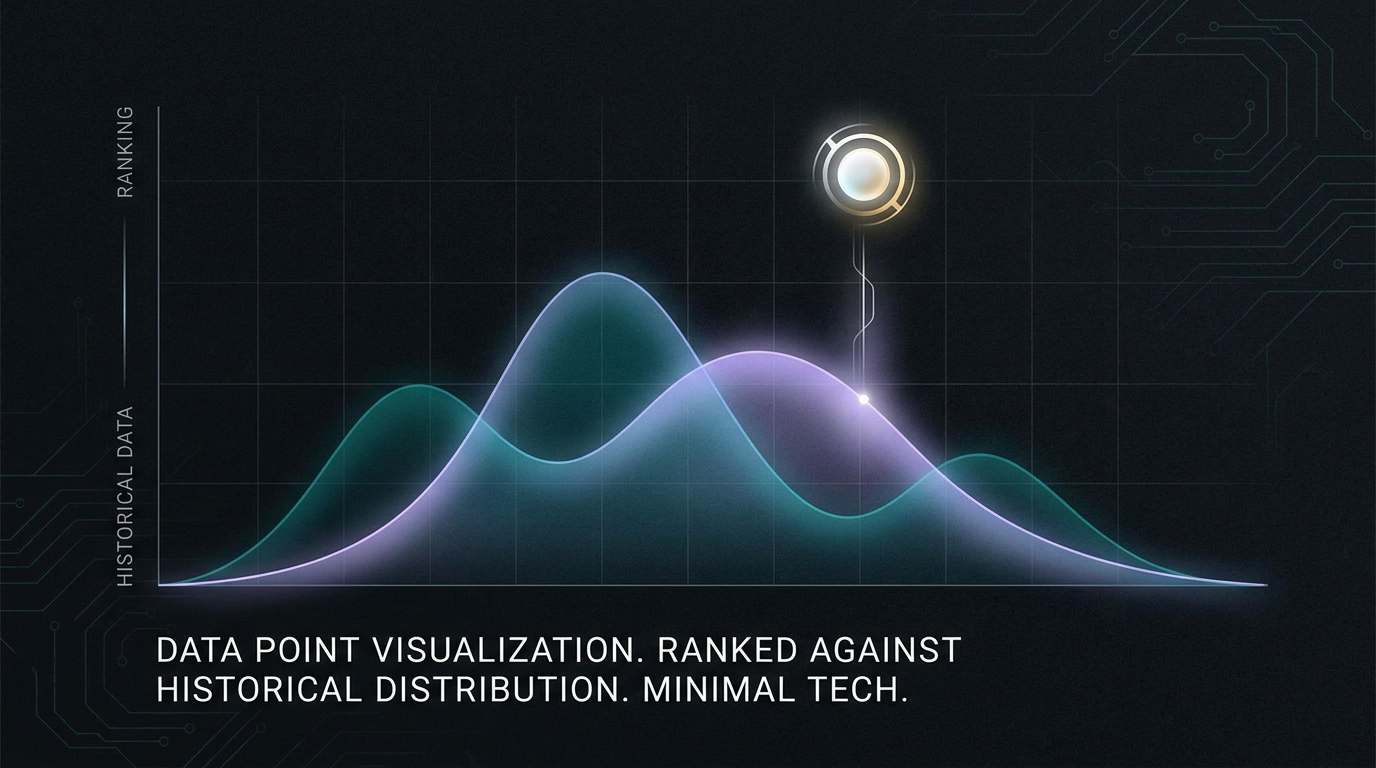
distribution_context on Hyperliquid GEX | Crypto Data API
Every /quant/gex coin carries a distribution_context block ranking today's near-mark fuel, flip distance, and dealer skew against that coin's own trailing 30 days — honest about warming windows, and explicitly not the amplify stand-down rule.
Read more →
gamma_profile on Hyperliquid GEX | Crypto Data API
Every /quant/gex coin carries a gamma_profile block — a liquidation-density histogram of classified Hyperliquid market-maker inventory on 0.5%-of-mark bins out to ±50% — read here as bars by price, distinct from the gex_veto stand-down and the distribution_context percentile ranks.
Read more →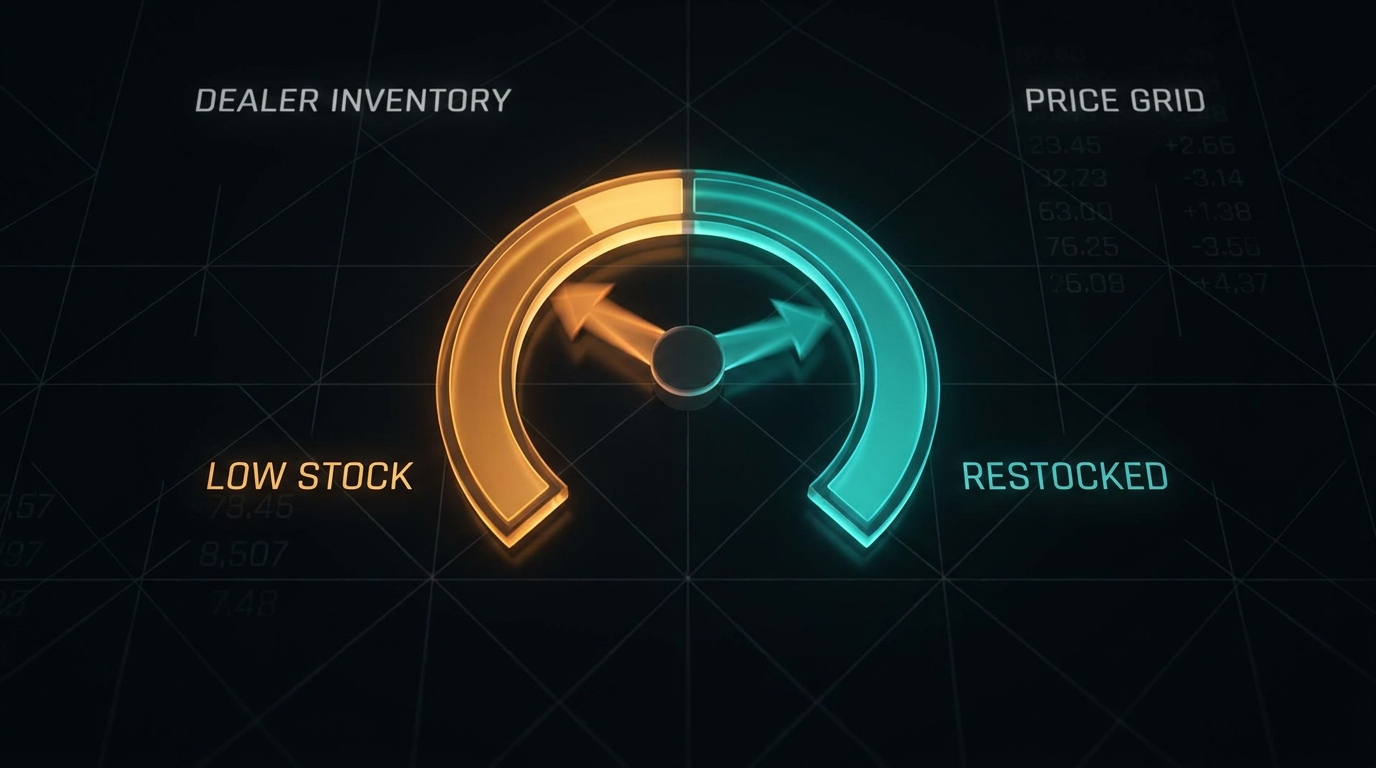
gex_veto gamma flip Hyperliquid | Crypto Data API
Hyperliquid dealer gamma swings between amplify and dampen. When it amplifies, gex_veto means stand down on fresh longs until the flag clears — here's exactly what that field is, and what it isn't.
Read more →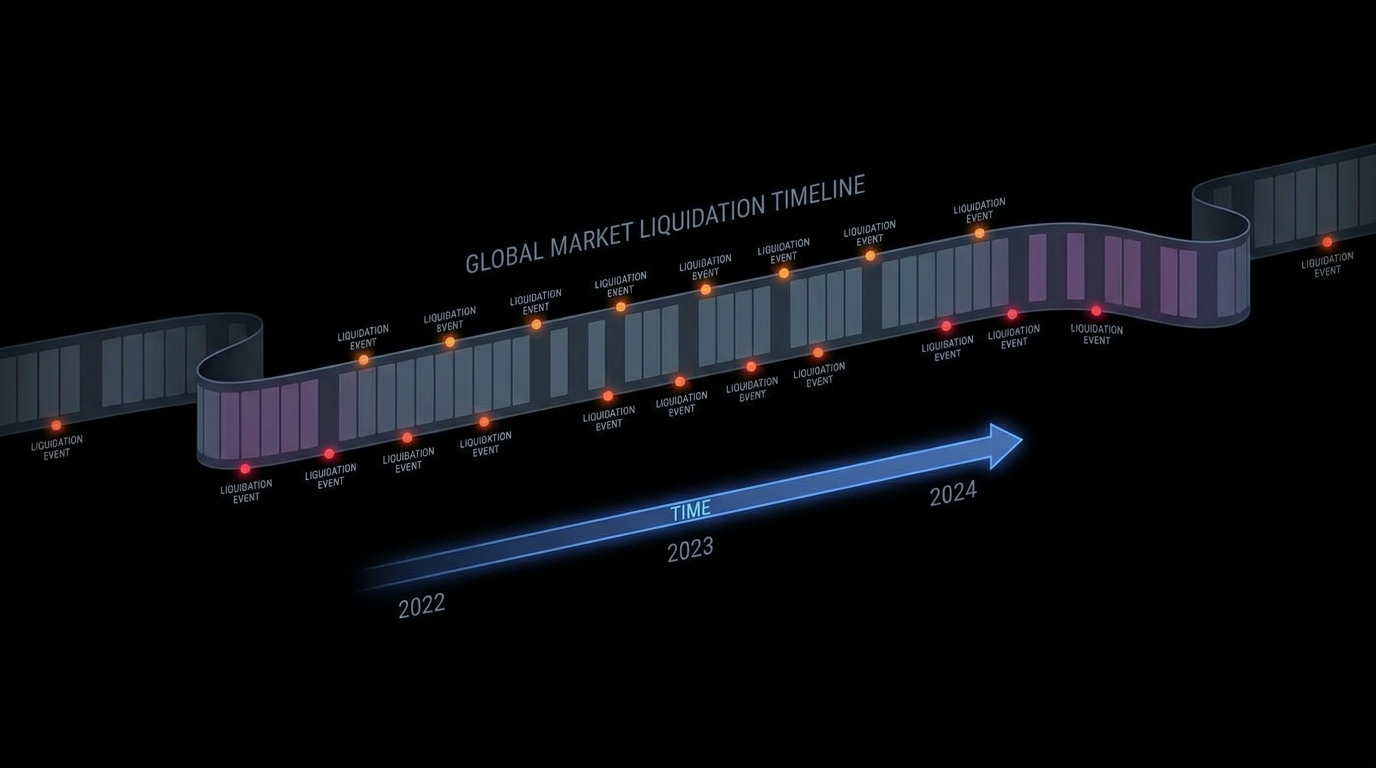
Hyperliquid liquidation fills API | HL fill tape vs aggregate totals
A Hyperliquid liquidation is an exact fill — price, size, side, market vs backstop — not a rolled 24h total. This is what an agent can do with the fill tape that a heatmap can't.
Read more →
CPI to FOMC crypto calendar | ETF flows + market regime before you size
Candles and headlines say CPI printed. A sizing decision into FOMC needs three more reads: the dated catalyst calendar, the ETF flow streak, and the short-horizon regime.
Read more →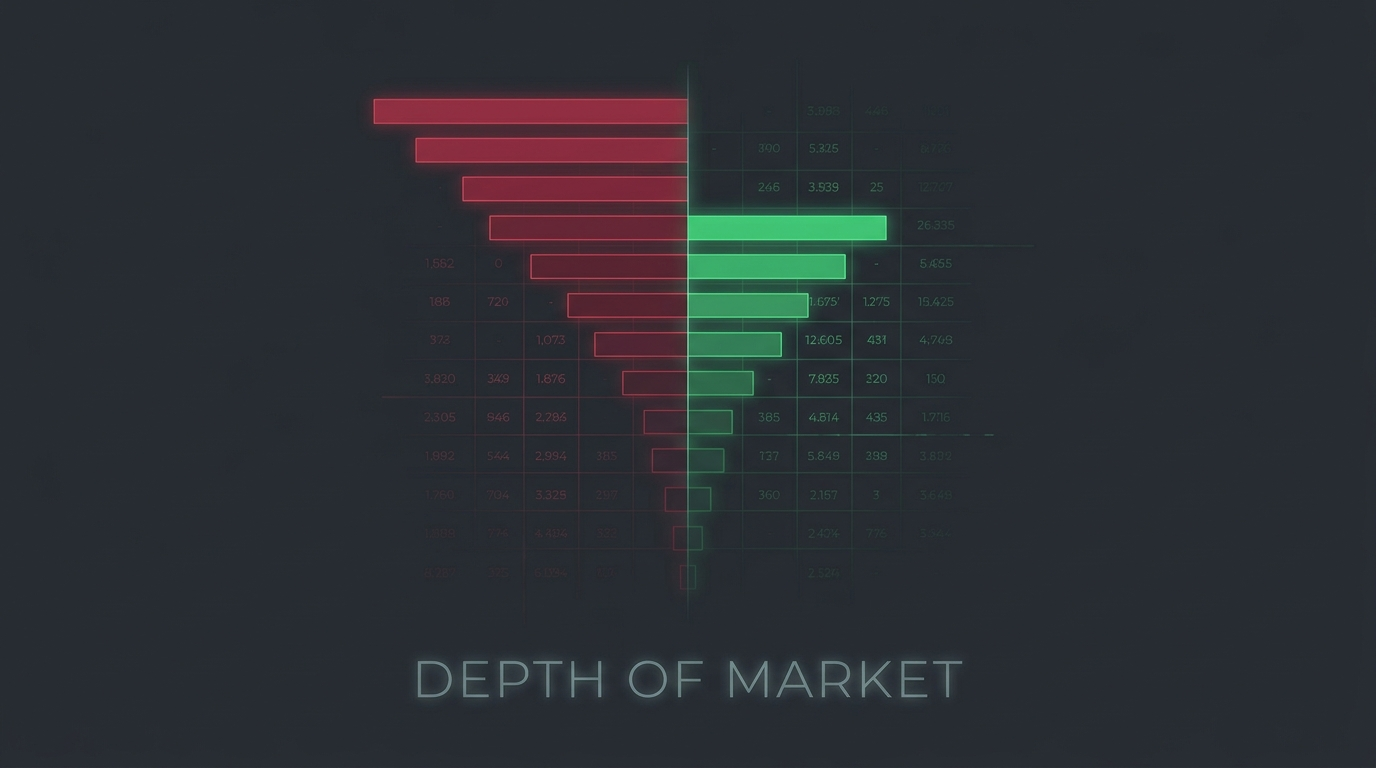
Hyperliquid L2 order book API: depth and imbalance
A resting L2 ladder is price and size. This board adds order count per level, banded USD depth, and book imbalance — the fields a plain ladder does not give you.
Read more →
long_short_ratio Hyperliquid | Crypto Data API
One field on the whale-activity summary tells you whether the ≥$100k Hyperliquid book is long-heavy or short-heavy right now — here's exactly where it lives and how to read it.
Read more →
market_get_funding_regime: LONG_CROWDED, 8h, and APR
The board reads LONG_CROWDED when funding stays positive across most of the book. Here's exactly which fields build that read, and which MCP tool actually answers it.
Read more →
Crypto MCP for AI agents | Hyperliquid decision data vs candle AI APIs
Candle AI APIs wrap OHLCV and market cap into homepage Q&A. CryptoDataAPI MCP gives agents the Hyperliquid decision layer instead — whale positioning, dealer gamma, and calibrated market regime, over one connection.
Read more →
net_bias Hyperliquid whales | Crypto Data API
Every Hyperliquid whale-activity read carries a net_bias label — one for the whole ≥$100k book, one for each top coin — and it sits right next to a lookalike field, dominant_side, that uses a different threshold on the same numbers.
Read more →